Graduate Theological Union
Flora Lamson Hewlett Library Alteration 2
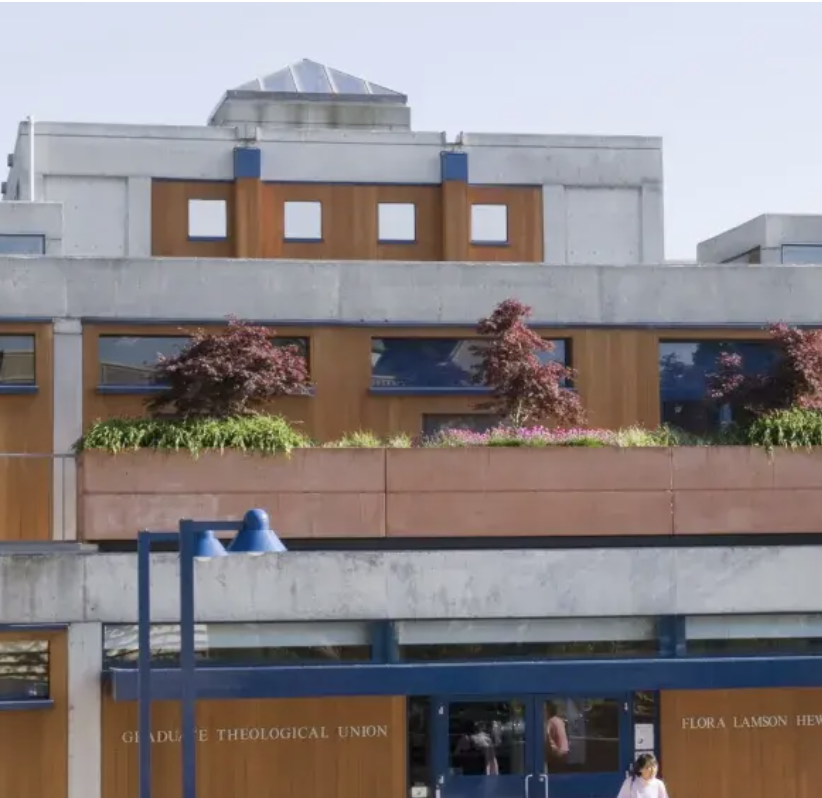
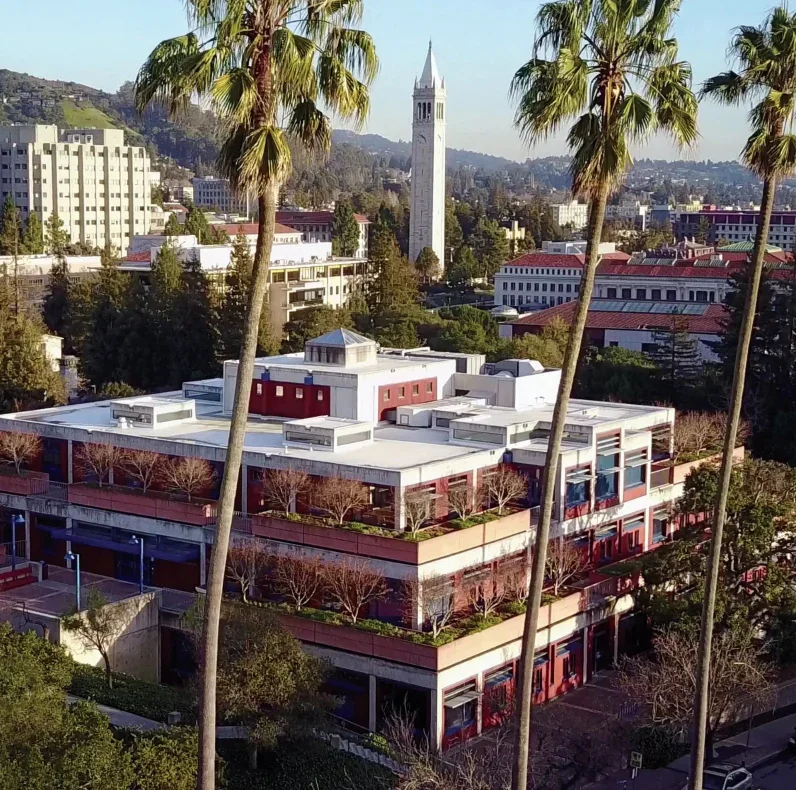
Flora Lamson Hewlett Library and GTU consortium transformation, 2025-2026
The GTU Library evolution continues
In 2025, the Graduate Theological Union engaged Library Evolution again, this time for a 12-month project to further alter the footprint of the main floor.
Digitization from the first alteration project had finished and GTU was prepared to enable access to the digitized print for its patrons.
The GTU’s goals were to
further enable digitized content to support hybrid and online curriculum
further reduce the print research collections that had been digitized, when appropriate
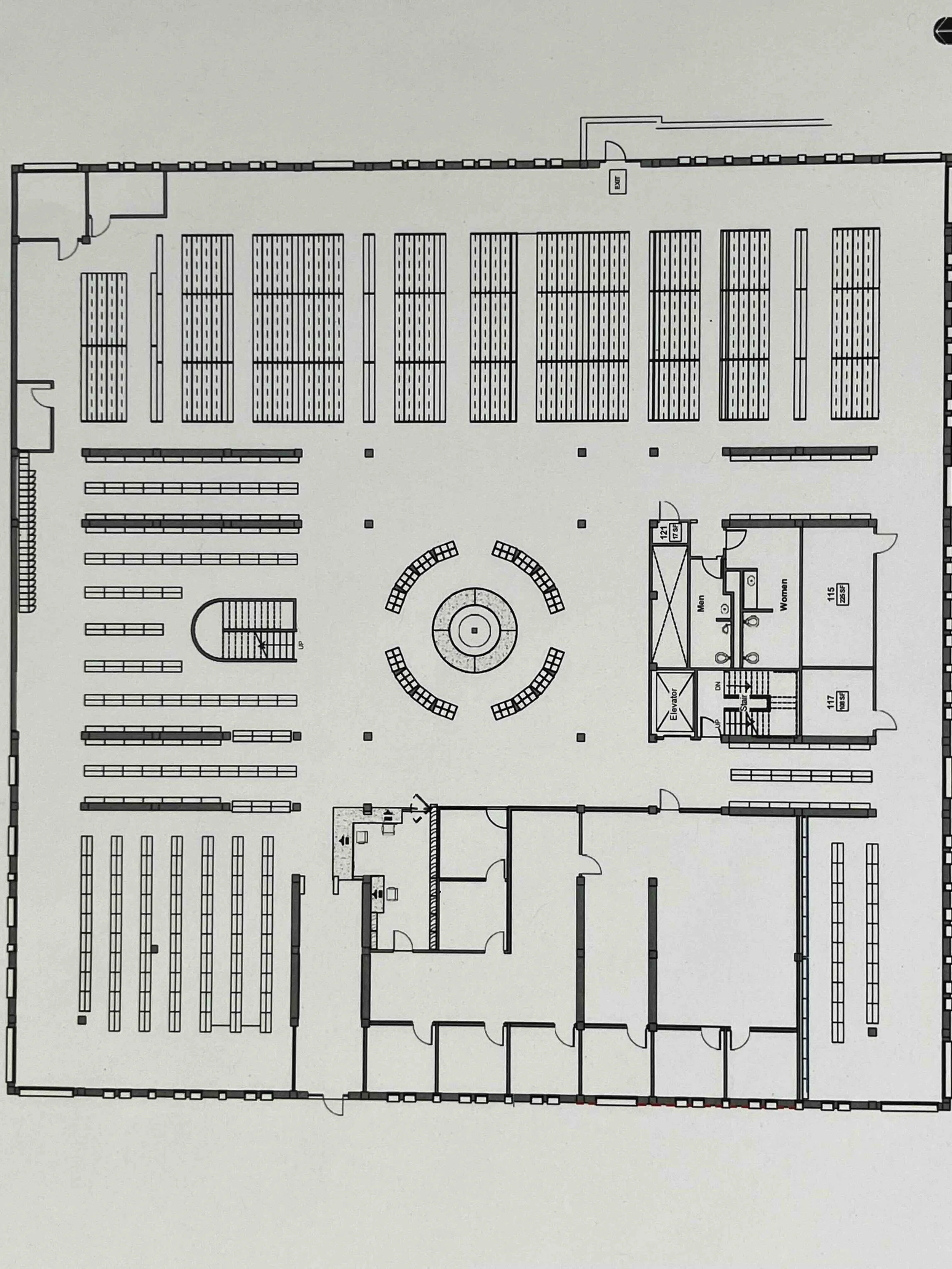
remove compact shelving holding around 150,000 volumes on the main floor to transform the space into a high tech lecture hall and offices
Bigger picture, this alteration would make it possible for the GTU to reconfigure consortial services for interdenominational studies, restructuring its institutional membership business models and continuing to center library services in the new models.
A transformed library and curricula
The resulting Flora Lamson Hewlett Library includes a robust, mostly digital (digitized and licensed) research library with remaining physical collections consisting of
rare books, special and archival collections, including art and artifacts
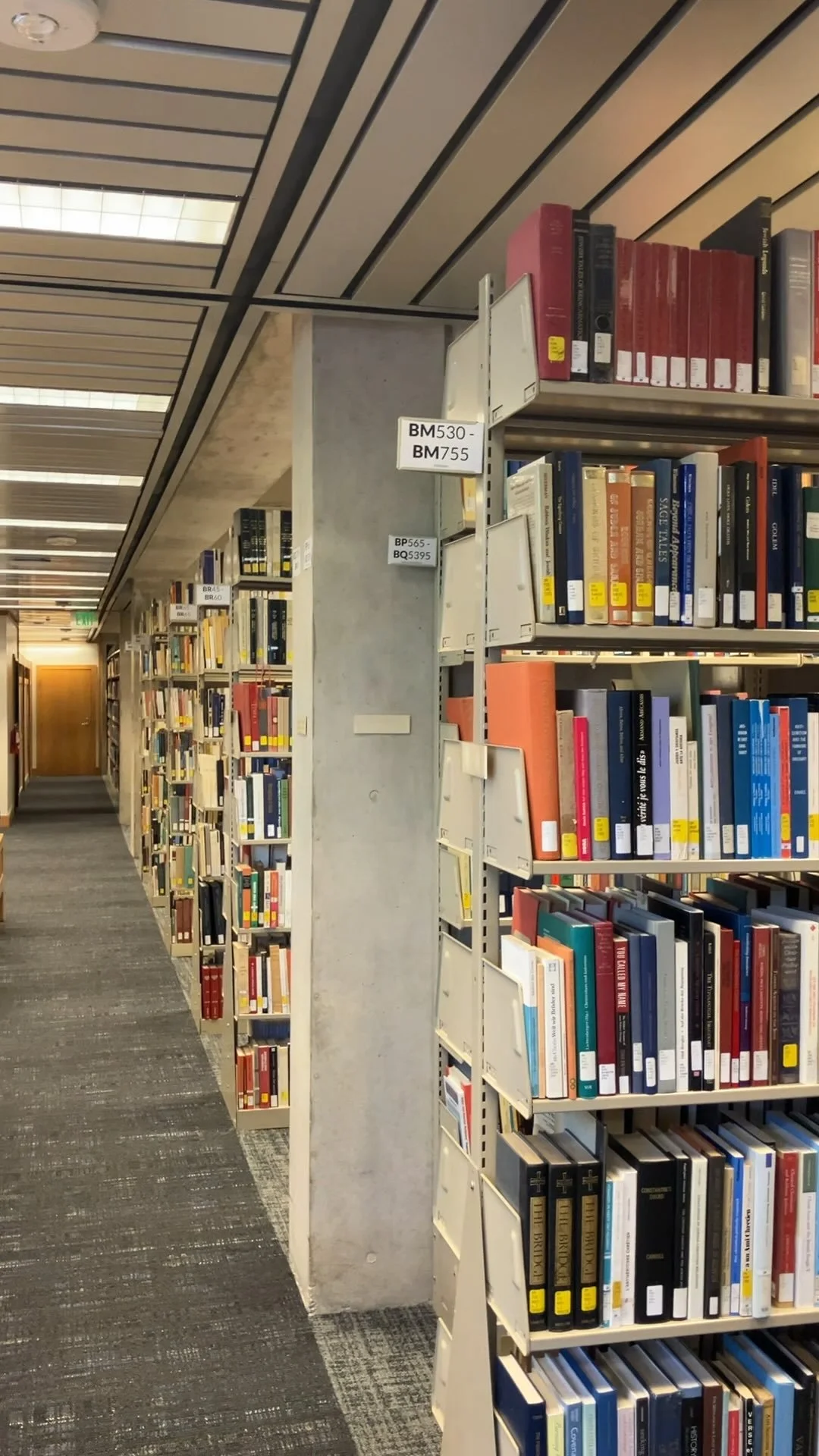
general collections supporting graduate level research that are unique, regionally specific, held as shared print or not yet digitized
theses and dissertations
Unified by a single catalog, interreligious works from around the world are discoverable and accessible in the formats and forms needed for graduate level research.
Library staff and the collections support transformed graduate-level curricula offered by multiple institutions, multiple philosophies and religions, and across multiple geographies.

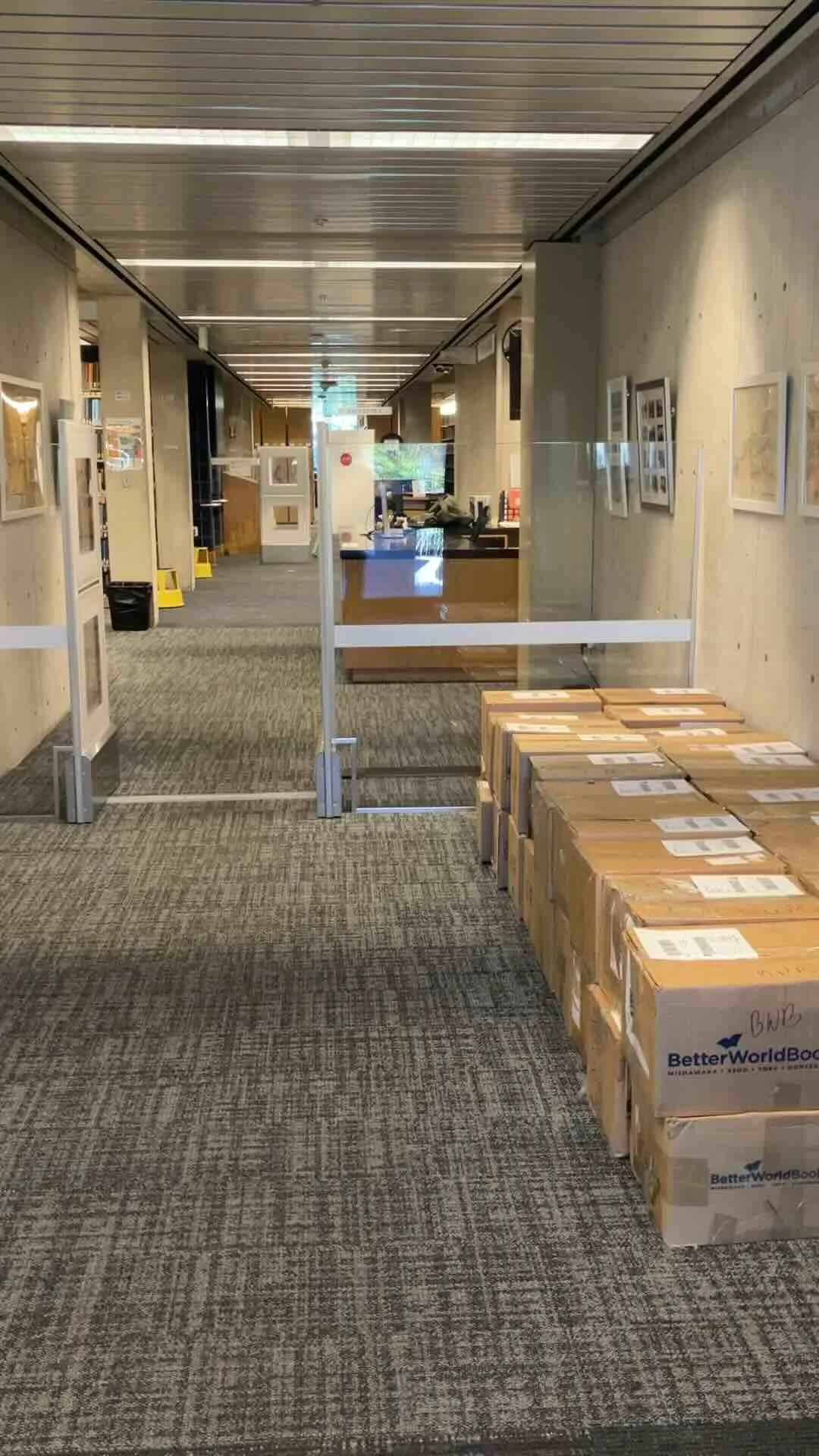
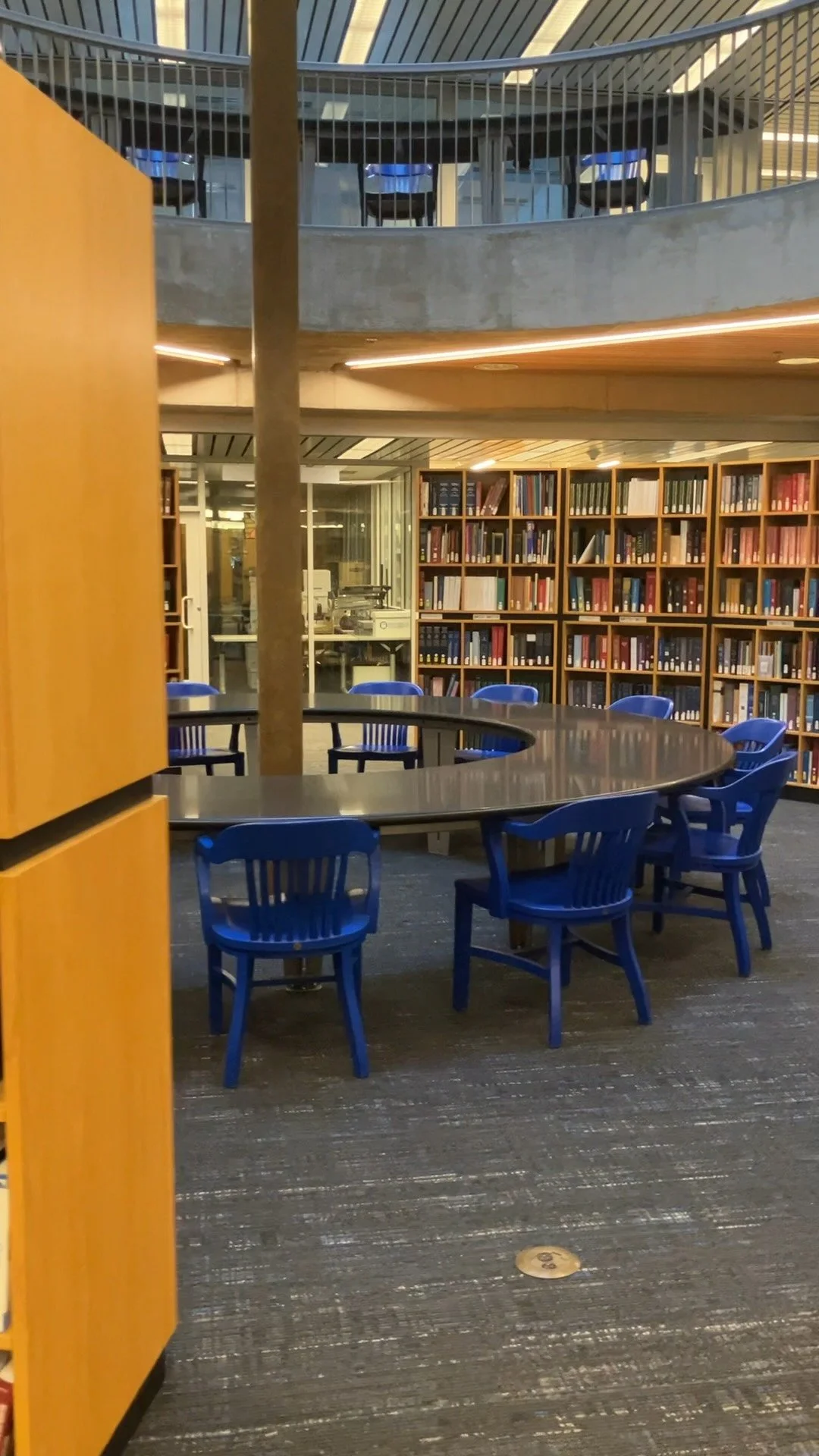
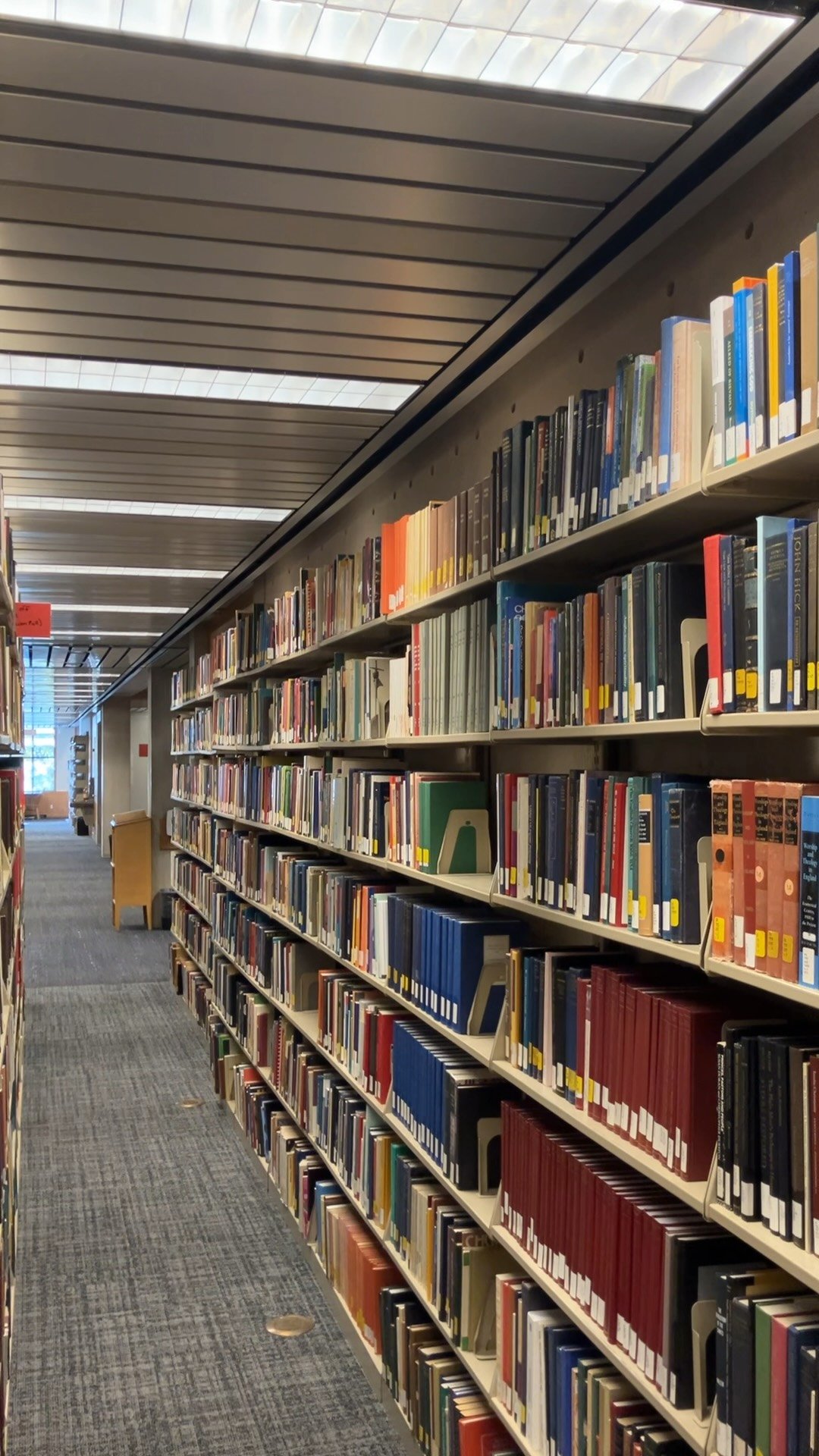
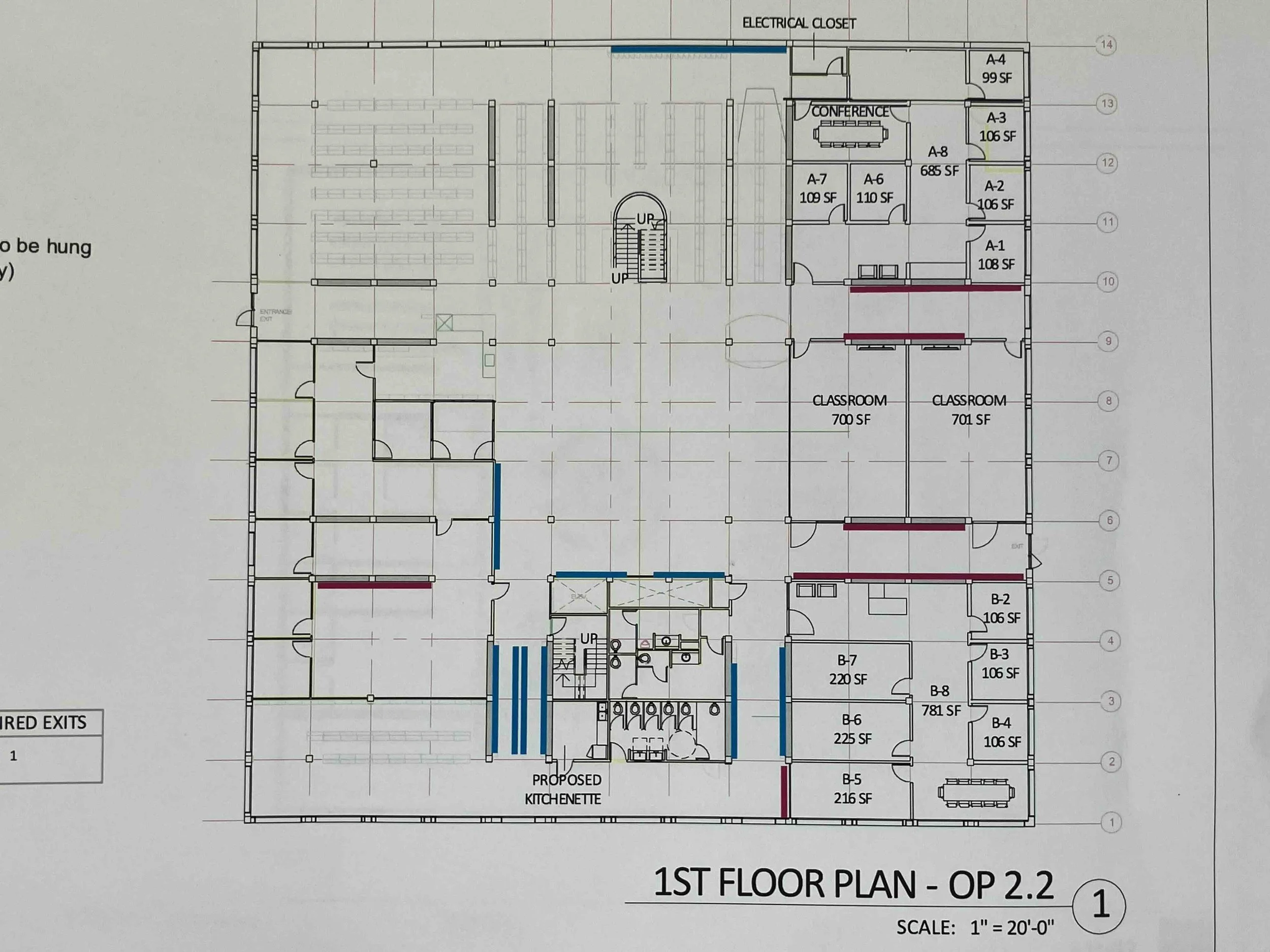
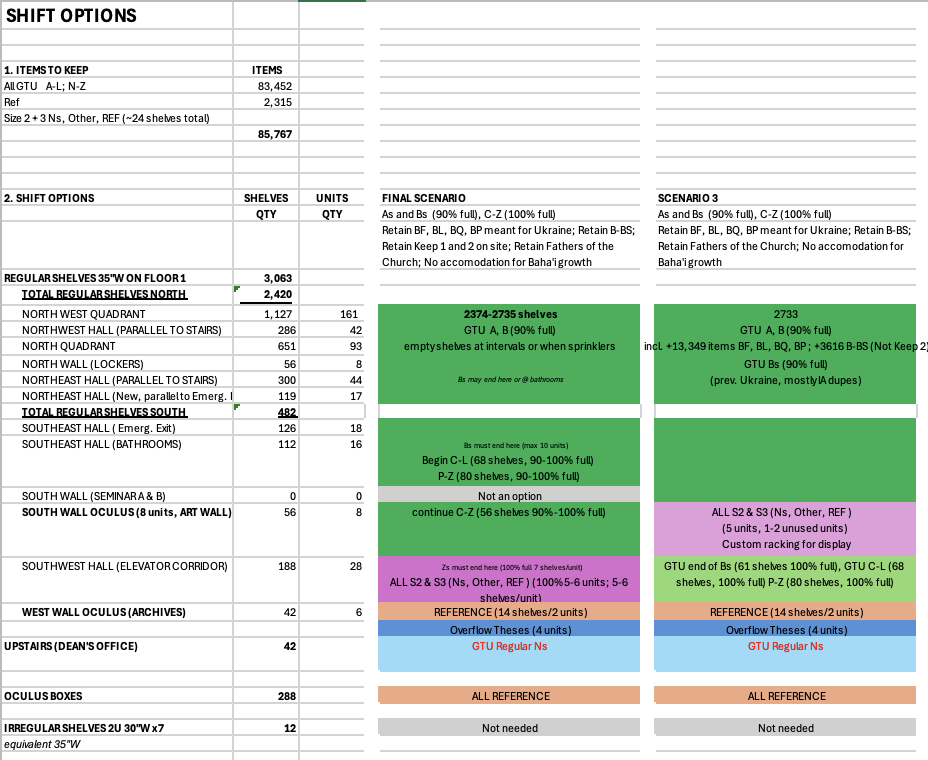
Measure twice and cut once. To explore relocation and shift options with library administrators, we use as-built architectural diagrams, floor plan scenarios, statistical sampling of the collections, full collections data and detailed shelving measurements to create spatial models for the remaining collections.
As it happened
During this 12-month engagement, the GTU engaged Library Evolution for the following services. Some surge staff that had been hired and trained in time-optimized methods for the first alteration could easily step in to handle certain project roles.
Services provided by Library Evolution included:
Project planning including detailed timeline coordinated with construction plans, gantt chart and regular team facilitation
Collection and space modeling to support decisions using dynamic architectural drawings and collections analysis files. “Doing the math” to project shelving fill rates with remaining collections and creating variable fill rates for specific areas of the collections for anticipated growth rates
Full collections analysis and dispositioning, this time, primarily for monographs and monographic series and with a goal of creating a more focussed collection scope in terms of subjects, religions, philosophies, publishers, geographic strengths and digitization status
Advisory level project management with site visits at key project moments
Mid-level collection shift oversight with spatial mapping, assessment and adjustment of fill-rates during “the shift”
Coordination with metadata librarian and GTU collection management staff for data exports, data design, workflow and picklist design